


Critical Care Patients
Critical Care Patients
Individuals who suffer from serious illnesses or injuries and require emergency medical treatment often need intensive care in ICUs or CCUs. These cases involve life-threatening conditions that demand continuous observation. Therefore, timely and structured intervention becomes essential for survival.
He is a highly qualified General Physician in Indore, brings extensive experience in managing complex medical conditions. His method emphasizes rapid intervention and constant monitoring. Consequently, patients benefit from organized and responsive care during critical phases.
Dr. Prakash Joshi, a Critical Care specialist in Indore, collaborates with a skilled team of ICU physicians. Together, they ensure coordinated treatment within the local healthcare community. Moreover, intensive care focuses on patients at risk of organ failure, affecting the heart, lungs, kidneys, or nervous system.
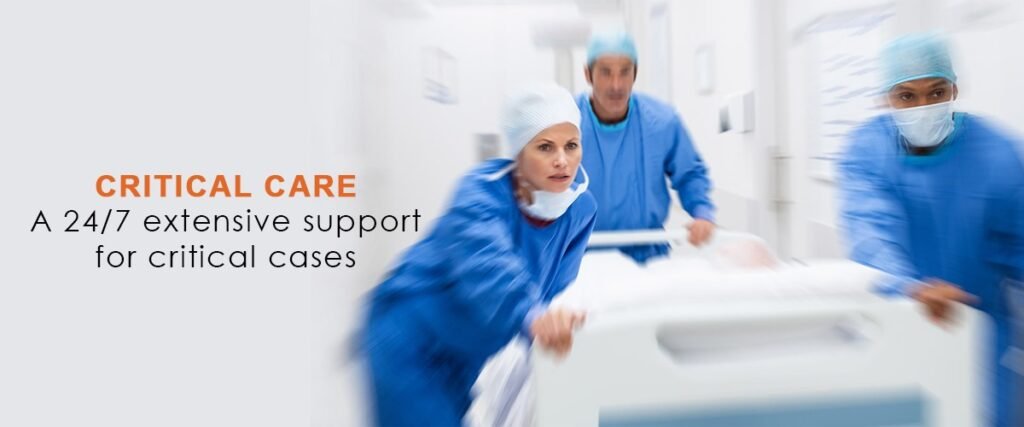
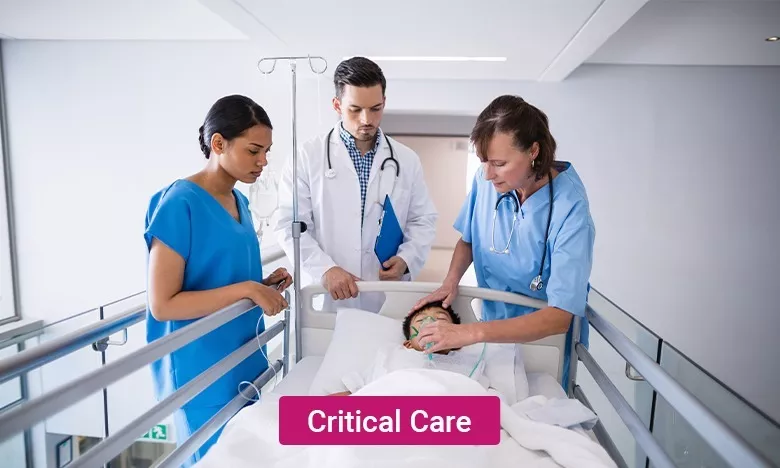
The main responsibility of a critical care specialist is to restore vital organ function before patients transition to other medical specialties. Globally, nearly 6 million adults are admitted to ICUs every year. Consequently, healthcare teams work tirelessly to improve survival outcomes. One of the Best MD Doctor in Indore and a Critical Care specialist in Indore.
Treatment in ICUs involves advanced therapies and continuous monitoring. Additionally, modern intensive care units utilize sophisticated medical equipment supported by trained doctors and nurses. Without proper supervision, critical illnesses may result in severe complications.
Who needs critical care
Severe illnesses, traumatic injuries, or life-threatening medical emergencies often necessitate critical care under the guidance of a Critical Care specialist in Indore. In such scenarios, doctors assess condition severity and the requirement for close observation. Moreover, potential benefits of intensive care are carefully weighed before admission.
Examples of Individuals Who May Require Critical Care:
Acute cardiovascular emergencies
Heart attacks, severe arrhythmias, or post-surgery complications often require ICU admission. Continuous cardiac monitoring and medication support are essential. As a result, intensive care ensures stabilization and prevents further deterioration.
Life-threatening infections
Serious infections like sepsis, severe pneumonia, or meningitis can worsen rapidly. Intensive monitoring and immediate intervention become necessary. Early critical care reduces the risk of organ failure.
Severe trauma
Traumatic injuries including brain or spinal damage, burns, and multiple fractures often need critical care management. These injuries may result from accidents, falls, or violence. Consequently, close monitoring and specialized care are crucial.
Major surgical procedures
Post-operative complications after heart, brain, or organ transplant surgeries may develop unexpectedly. Therefore, ICU monitoring ensures rapid detection of risks and timely interventions.
Neurological emergencies
Conditions such as stroke, seizures, or intracranial bleeding can be life-threatening. Specialized critical care management is essential to support neurological recovery. Continuous monitoring improves outcomes.
Organ failure
Acute kidney injury, liver failure, pancreatitis, or diabetic ketoacidosis often affects multiple organs. Consequently, intensive support is required to stabilize vital functions.
Severe metabolic disturbances
Electrolyte imbalances or toxic exposure may destabilize organ systems. Urgent intervention helps restore balance and prevent further complications.
In order to prevent worsening and promote recovery, patients in unstable situations require critical care, which entails advanced medical interventions, specialized nursing care, and intensive monitoring. One of Indore’s Best General Physician, Dr. Prakash Joshi, is known for his exceptional care of patients in critical care units (ICUs) as a Critical Care specialist in Indore. People who are experiencing a serious disease, accident, or medical emergency that could endanger their life or long-term health may need to get critical care. A patient’s condition severity, the necessity for close observation and action, and the possible advantages of intensive care management are taken into consideration while deciding whether to admit them to critical care.
What happens after critical care?
Depending on their condition and rate of recovery, patients may move to different stages of treatment after receiving critical care. Here are a few scenarios that could occur:
Step-down unit
When stabilization is achieved but intensive monitoring is still required, individuals may move to a step-down unit. Care intensity is reduced, but medical supervision continues. Meanwhile, healthcare providers assess recovery progress regularly. This stage allows a safe transition from intensive care.
General medical ward
Those who show significant improvement often transfer to a general medical ward. Recovery and rehabilitation become the primary focus. Additionally, routine evaluations and medication management continue. The ward environment promotes gradual independence and self-care.
Long-term care facility
Individuals with chronic conditions may require prolonged medical supervision. Long-term care facilities provide ongoing nursing support and assistance with daily activities. Consequently, stability is maintained while comprehensive care continues.
Rehabilitation facility
Those needing therapy to regain strength may transfer to a rehabilitation center. Under the guidance of a Critical Care specialist in Indore, therapy emphasizes physical, occupational, and speech recovery. Moreover, personalized plans support long-term improvement. This stage helps individuals regain independence and function.
Home care
Once stability is achieved, some can return home with appropriate medical support. Home care includes medication management and regular monitoring. In addition, family members or healthcare providers assist with daily needs. Recovering in a familiar environment promotes comfort and safety.
Frequently Asked Questions
Severe infections, organ failure, trauma, post-surgical complications, and neurological emergencies often require ICU admission.
Expert care in ICUs focuses on managing life-threatening conditions and maintaining vital organ function through continuous monitoring and treatment.
ICU stay varies depending on illness severity and response to treatment.
Pain is controlled using medications and supportive methods such as positioning or relaxation. Moreover, care is supervised by a Critical Care specialist in Indore. Each patient receives individualized and continuously monitored treatment.